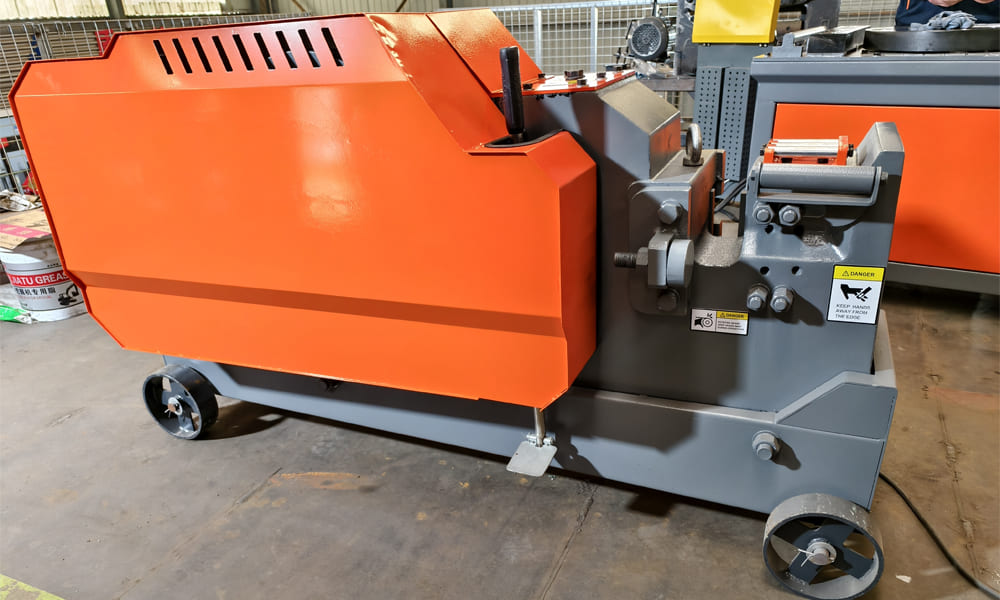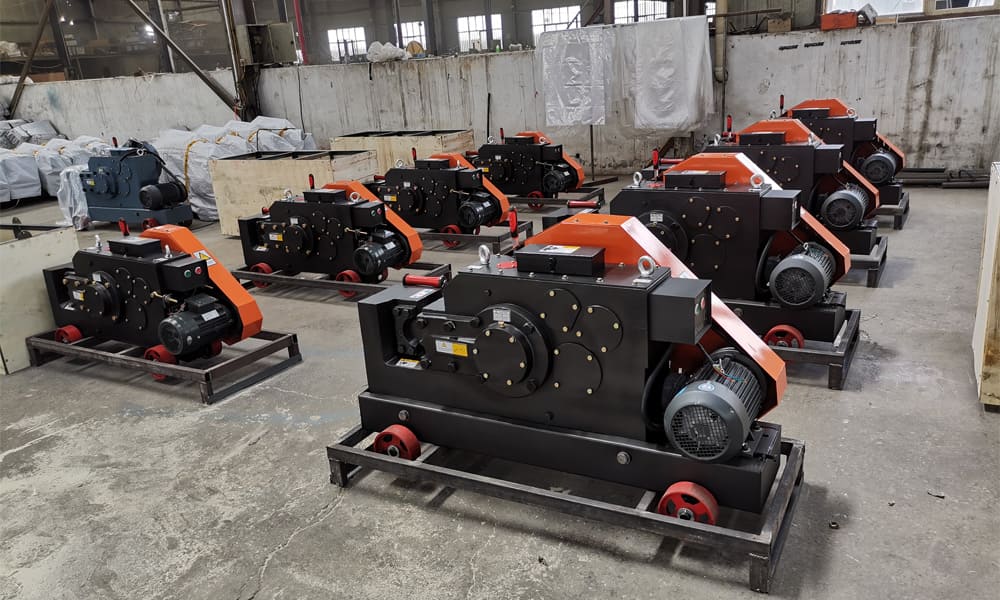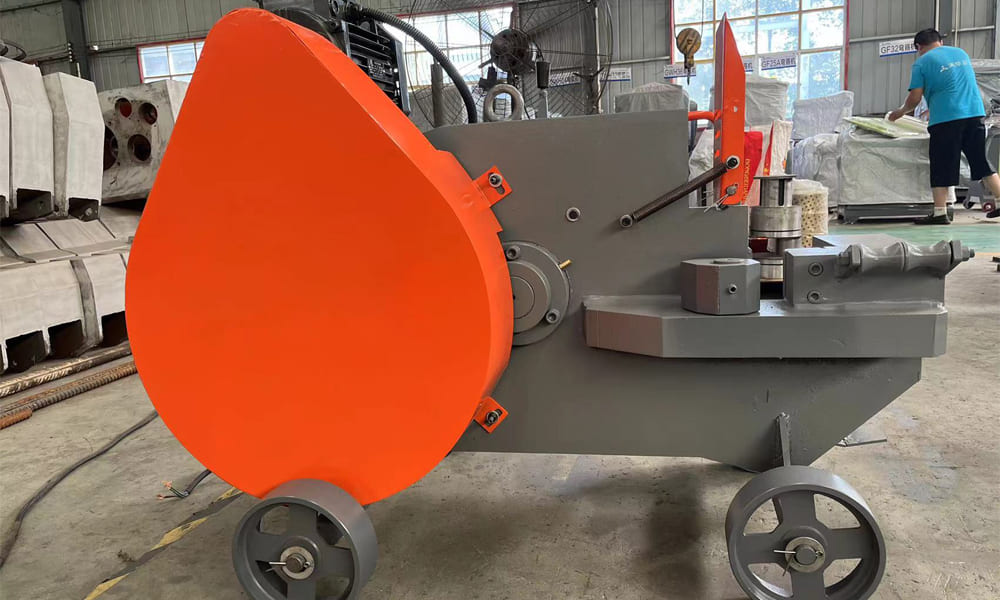
C54 Rebar cutter are essential on any construction site, but blade fracture during operation remains a dangerous and costly issue. When a steel blade shatters at high speed, flying fragments can injure workers, damage equipment, and halt project timelines. Understanding why this happens is the first step toward safer, more efficient cutting.
Common causes of C54 Rebar cutter blade cracking:
-
Overloading – Cutting rebar that exceeds the machine’s rated diameter or tensile strength puts extreme stress on the blade.
-
Improper clearance – Incorrect blade gap causes jamming and uneven force distribution.
-
Material defects – Hard spots, inclusions, or micro-cracks in the blade itself reduce fatigue resistance.
-
Worn or dull blades – Forcing a blunt blade through steel generates excessive friction and heat, promoting brittle failure.
-
Lack of lubrication – Dry operation accelerates wear and local overheating.
Preventive measures:
✔ Match blade grade to rebar type – use high-alloy steel blades for high-strength bars.
✔ Set correct clearance (typically 0.2–0.5 mm) and check daily.
✔ Inspect blades visually before each shift – replace any with nicks or visible cracks.
✔ Lubricate regularly and cool with cutting fluid to reduce thermal shock.
✔ Train operators to avoid side-loading or cutting multiple bars at once.
✔ Implement a scheduled replacement policy – don’t wait until failure.
By combining proper maintenance, quality blades, and disciplined operation, you can eliminate unexpected blade bursts, protect your crew, and boost productivity.
Stay sharp, cut safe.
#RebarCutter #BladeFracture #ConstructionSafety #ToolMaintenance #HeavyEquipment #WorksiteSafety #CuttingTechnology