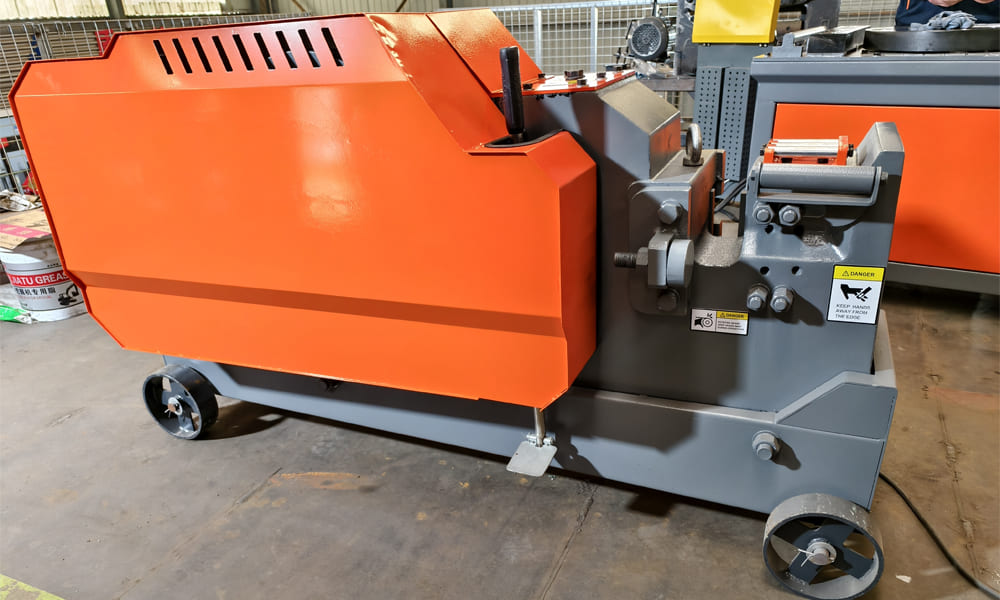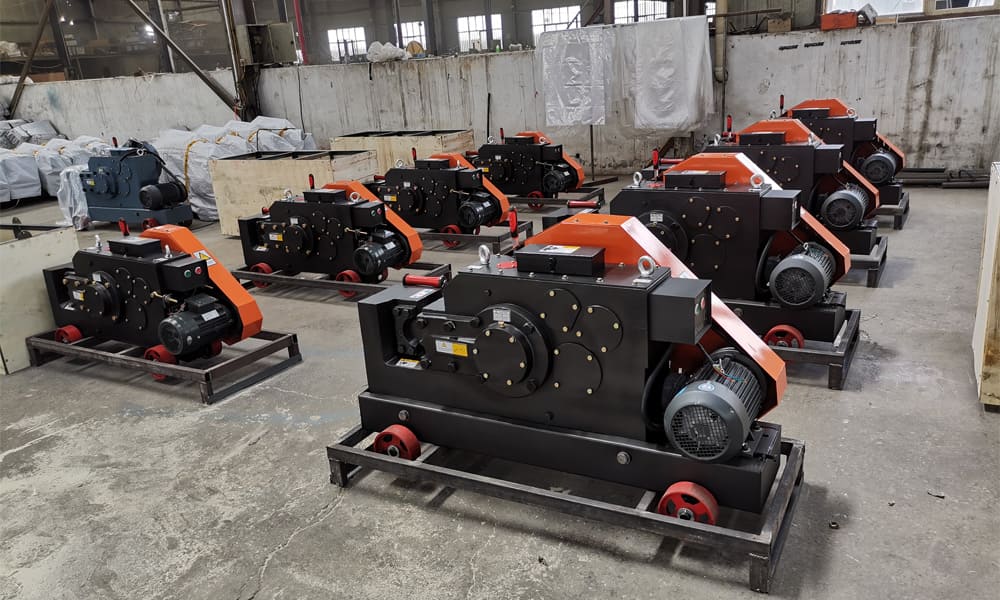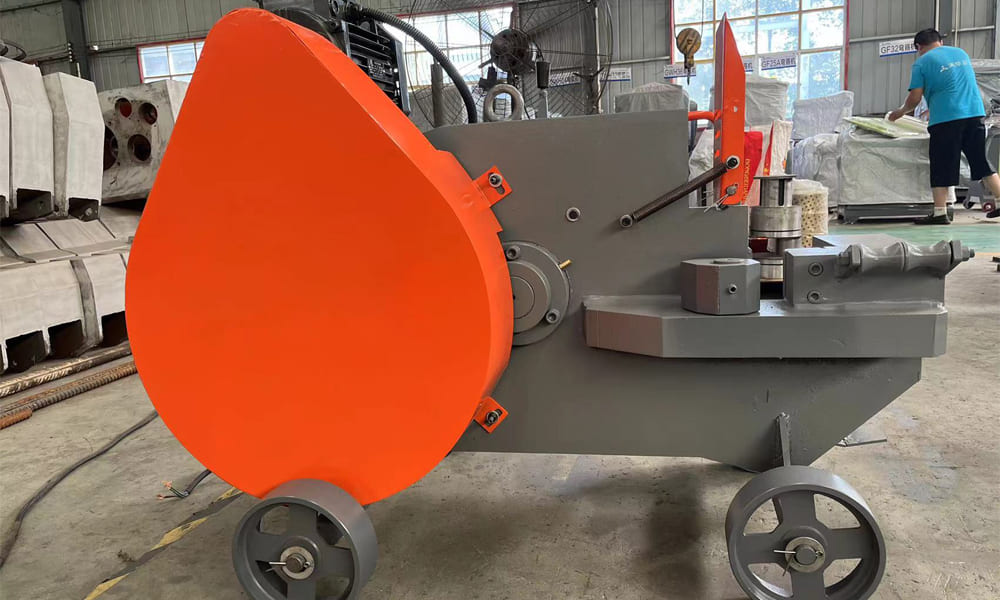
This is a very common and significant issue with C52 Cutter, as excessive noise can severely impact operator health and the surrounding environment. Here is a systematic breakdown covering root causes, immediate mitigation measures, and long-term solutions.
1. Primary Causes of High Noise Levels
-
Mechanical Noise (The Main Source):
-
Tool Impact: The core noise source is the high-frequency impact sound generated when the upper and lower blades shear through the steel bar.
-
Component Wear: Worn or poorly lubricated gears, bearings, and pins create excessive rattling and grinding noises during operation.
-
Loose Parts: Loose bolts on the machine body, guards, or motor mounts cause vibrations and secondary noise.
-
-
Power Unit Noise:
-
Electric Motor: Older, low-quality, or undersized motors working under heavy load can produce loud electromagnetic hum or high-pitched whine.
-
Cooling Fan: A damaged or misaligned motor cooling fan scraping against its housing adds unnecessary noise.
-
-
Vibration & Resonance:
-
An unstable machine base or insufficient structural rigidity amplifies and transmits noise from operational vibrations.
-
Placing the machine on hollow metal plates or uneven floors acts like a “sounding board,” worsening noise propagation.
-
2. Immediate / Low-Cost Mitigation Measures
These steps can reduce noise quickly, though they may not address the root cause entirely.
-
Inspection & Tightening:
-
Power off the machine. Check and tighten all external and internal bolts, especially those on the blade housing, frame joints, and motor mounts.
-
Ensure all protective guards are securely fastened to prevent vibration.
-
-
Lubrication & Maintenance:
-
Lubricate all designated points (gears, bearings, sliding blocks) with the correct oil or grease as per the manual. Lack of lubrication is a major contributor to increased noise.
-
-
Optimize Placement:
-
Move the machine to a solid, level concrete floor.
-
Place anti-vibration pads (e.g., rubber mats, old tire strips) under the machine’s base to dampen vibration transfer and structure-borne noise.
-
-
Create a Simple Acoustic Barrier:
-
Use sound-absorbing panels (foam, rubber) to build a partial enclosure around the non-operational sides of the machine. Crucially, ensure proper ventilation and maintain clear visibility for safe operation.
-
-
Schedule Work Smartly:
-
Avoid cutting operations during break times to minimize disturbance.
-
3. Long-Term & Fundamental Solutions
-
Equipment Upgrade (Most Effective):
-
Invest in Low-Noise Models: new model C52 Cutter operate significantly quieter (often below 85 dB) compared to traditional mechanical/geared cutters (which can exceed 100 dB). The higher initial cost is justified by long-term health benefits and regulatory compliance.
-
Replace the Motor: If the main frame is in good condition, consider switching to a higher-quality, low-noise motor.
-
-
Professional Repair & Parts Replacement:
-
Have a technician inspect and replace severely worn gears, bearings, blades, and pins. Worn parts are a persistent source of noise.
-
Check and adjust the blade clearance. Incorrect gap leads to inefficient cutting and higher noise.
-
-
Dedicated Acoustic Workstation:
-
Establish a fixed cutting area within the workshop. Install sound-absorbing materials (acoustic foam, rock wool panels) on walls and ceilings to create a partial or full acoustic enclosure—a common practice in well-managed sites.
-
-
Personal Protective Equipment (PPE – The Last Defense):
-
Mandate the use of high-quality earplugs or earmuffs for the operator and nearby workers. This is a non-negotiable requirement to prevent noise-induced hearing loss.
-
Summary & Action Plan
-
Immediate Actions: Start with tightening all bolts, performing thorough lubrication, and installing anti-vibration pads. These low-cost steps can often reduce noise noticeably (by 30-50%).
-
Mid-Term Plan: Schedule a comprehensive machine service to identify and replace worn components.
-
Long-Term Strategy: For old and frequently used machines, planning to replace them with modern hydraulic cutters is the most effective investment. Concurrently, enforce the consistent use of hearing protection for all exposed personnel.