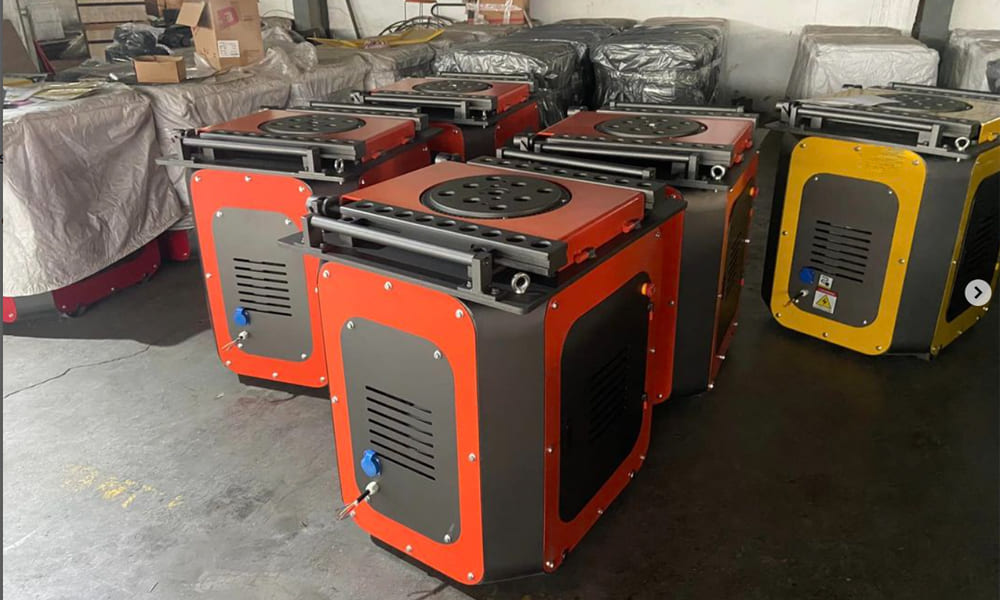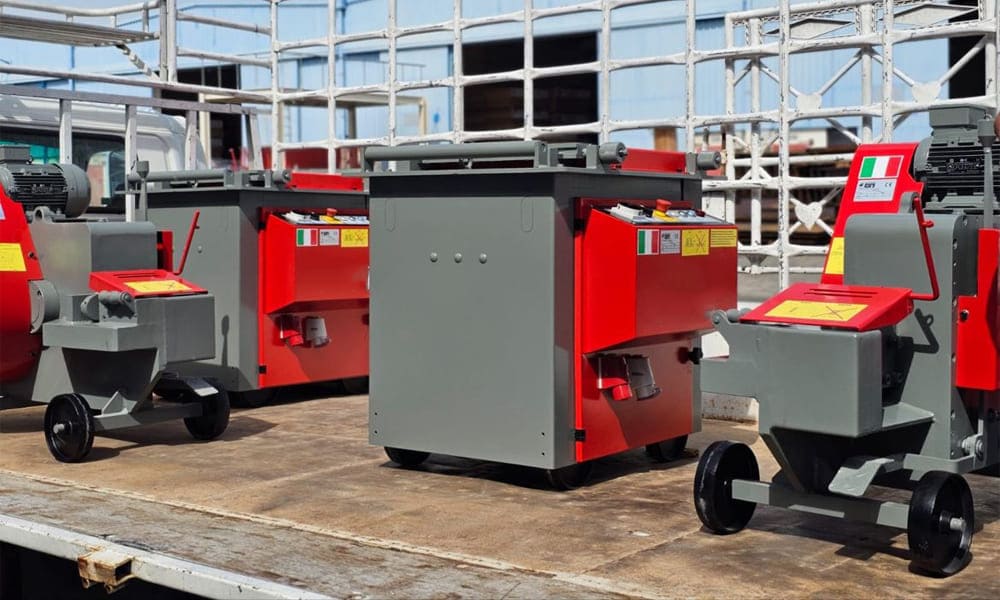
A P52 Rebar Bender is a vital piece of construction equipment designed to process and bend reinforcement steel bars into specific shapes and angles. Widely used in building projects, bridges, tunnels, and large infrastructure works, this machine ensures precision, consistency, and efficiency in rebar processing. To understand why it is so essential, let’s explore the core components of a rebar bending machine and their roles.
1. Frame and Base
The frame is the backbone of the machine, usually made from high-strength steel to guarantee durability and stability during operation. The base is equipped with anchor bolts that secure the equipment firmly to the ground, reducing vibrations and ensuring accurate bending.
2. Power System
Every rebar bender relies on a powerful electric motor (3–7.5 kW) combined with a gearbox or reducer. This system transfers torque through a belt or gear drive, delivering the force required to bend steel bars with precision.
3. Working Platen and Bending Mechanism
The working platen is the rotating disc at the heart of the machine. Equipped with an angle dial ranging from 0° to 180° and a fixed pin, it works alongside the bending pin and stopper shaft to shape the rebar. Depending on the model, the bending process may use mechanical or hydraulic pressure.
4. Hydraulic System (Hydraulic Models)
In hydraulic rebar bending machines, a hydraulic pump, cylinders, valves, and piping provide the power to handle heavy-duty bending. Some models feature a pressure gauge, allowing operators to regulate and monitor the bending force for higher accuracy.
5. Control System
Control methods vary by model. Traditional machines use pushbuttons or foot pedals, while advanced CNC rebar bending machines feature PLC controllers and touchscreens. These allow operators to set bending angles and speeds automatically. Safety is enhanced with emergency stop switches, protective covers, and overload protection systems.
6. Auxiliary Components
Additional features include wheels for mobility, angle positioning baffles, and interchangeable dies that accommodate different rebar diameters (commonly 6 mm to 40 mm). These accessories increase versatility and efficiency in various construction applications.
Conclusion
Thanks to its robust structure, efficient power transmission, precision bending mechanism, and advanced control features, the rebar bending machine can achieve accuracy within ±1°. This makes it an indispensable tool in construction projects, bridge engineering, and infrastructure development, where both speed and precision are critical.