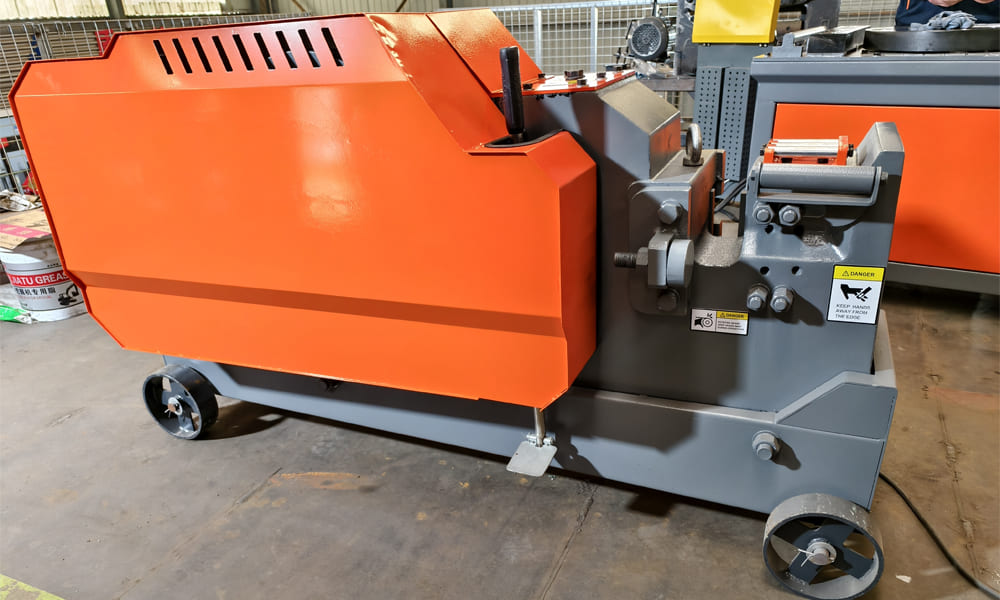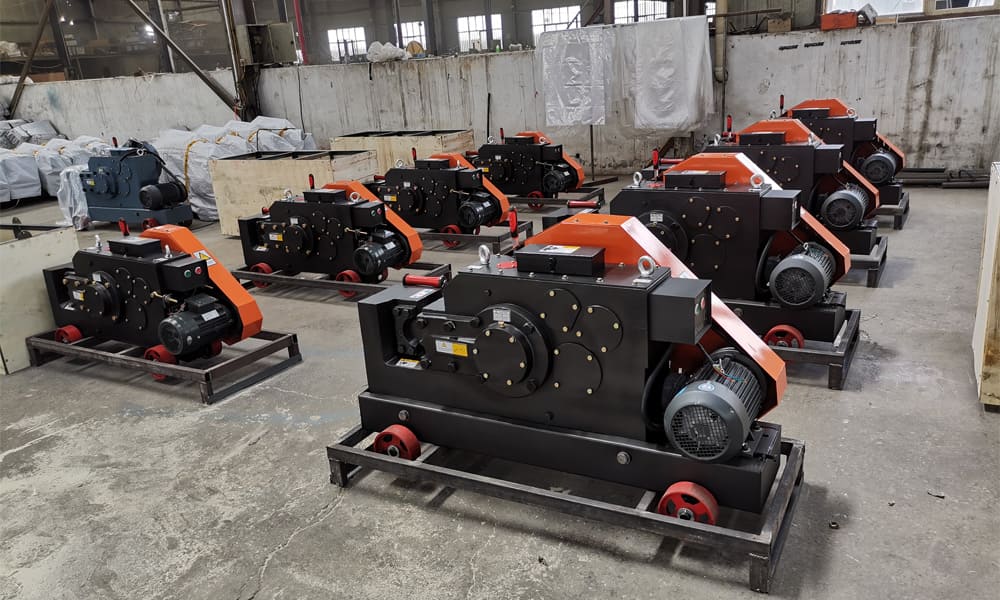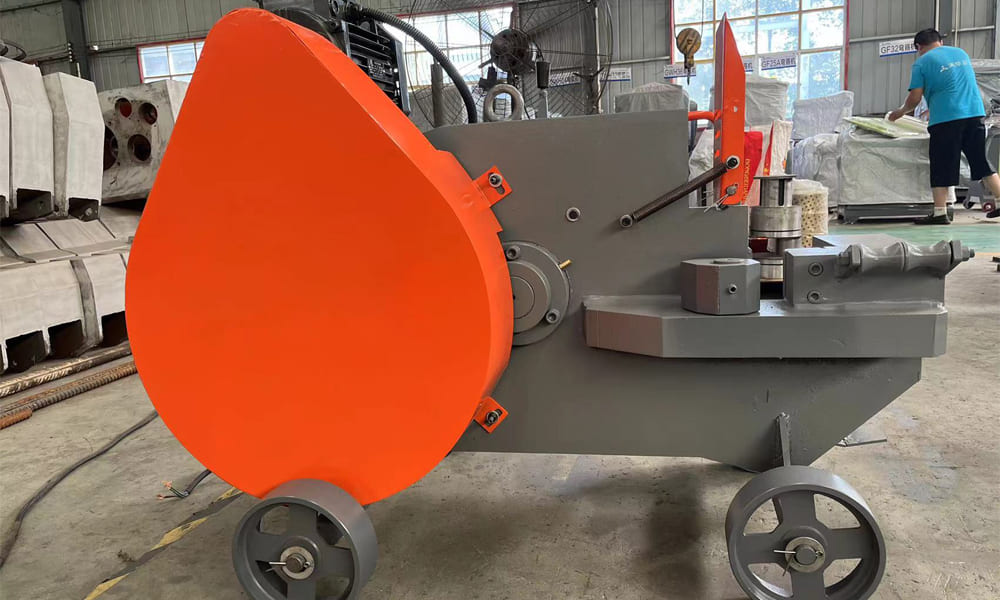
Italy Rebar Cutting Machine, Choosing between a Chinese or Italian rebar-cutting machine involves weighing factors like cost, performance, durability, and long-term value. While specific models vary, clear patterns differentiate machines from these two manufacturing regions. This guide breaks down the key differences to help you make an informed decision.
If you provide your specific requirements (cutting capacity, automation level, budget), we can offer a tailored side-by-side comparison.
Italian Rebar Cutting Machines: Strengths and Advantages
Italian rebar cutters are renowned for their engineering excellence, durability, and advanced features. They are typically the preferred choice for heavy-duty industrial applications.
-
High Cutting Capacity: Designed to handle large diameters and high-strength rebar. Many models can cut single bars up to 44-52 mm and multiple smaller bars simultaneously.
-
Robust Construction: Built for continuous use with heavy-duty cast alloy frames, hardened steel blades, and premium bearings and gears.
-
Superior Precision & Safety: Deliver clean, perpendicular cuts with minimal burrs. Strict compliance with European safety standards (CE, ISO) includes full guarding, safety interlocks, and advanced protective features.
-
Easier Maintenance & Longer Lifespan: Designed with serviceability in mind. Higher-grade components last longer, reducing downtime and lifecycle costs despite a higher initial part cost.
-
Advanced Features: Often include options like automatic feeding systems, cutting carriages for alignment, and combined cut-and-bend functionality.
Chinese Rebar Cutting Machines: Value Proposition and Trade-Offs
Chinese machines offer compelling value, making them attractive for budget-conscious buyers. However, this often comes with compromises in durability, precision, and long-term support.
-
Lower Upfront Cost: The most significant advantage. Chinese machines provide a much lower purchase price for a similar basic cutting capacity.
-
Design Flexibility & Customization: A vast number of manufacturers offer a wide range of models, including options for local voltages, portable designs, and simpler, user-requested features.
-
Adequate for Mid-Range Jobs: Most models competently handle rebar up to 40 mm in diameter, suiting many common construction needs.
-
Simpler Operation & Basic Features: Typically manual or semi-automatic (pedal-operated) with fewer advanced automation and safety features. Fit and finish may be less refined.
-
Variable Quality & Support: Durability and after-sales service can be inconsistent. Components may wear out faster under heavy use, and sourcing reliable spare parts can be a challenge for some brands.
Side-by-Side Comparison: Italy vs. China
| Factor | Italian Machine Strengths | Chinese Machine Considerations |
|---|---|---|
| Cutting Capacity | High capacity for large diameters (e.g., 44mm+) and high-strength rebar. Efficient multi-bar cutting. | Often max out at ~40mm. Multi-bar cutting may be slower and increase wear. |
| Cut Quality | Consistently clean, precise cuts with minimal burrs due to superior blades and engineering. | Cut quality can vary; potential for more burrs and less precision. Blades may require more frequent sharpening. |
| Construction & Durability | Heavy-duty construction using cast components and hardened materials for long-term reliability. | Lighter-duty frames and components. May fatigue faster under continuous heavy use. |
| Safety & Certifications | Full compliance with international standards (CE, ISO). Comprehensive safety guards and interlocks. | Compliance varies. Lower-cost models may lack rigorous safety features or certifications. |
| Automation & Features | More advanced options standard (auto-feed, cutting carriages, combined functions). | Typically manual or basic. Advanced features are less common or cost extra. |
| Lifecycle Cost | Higher initial investment costs for heavy users due to less downtime and fewer part replacements. | Lower initial cost, maintenance, part replacement. |
| Upfront Cost | Higher purchase price. Potential additional import duties and shipping costs. | Significantly lower purchase price. May have regional shipping advantages. |
Which Machine Should You Choose?
Choose an Italy Rebar Cutting Machine If:
-
Your operation involves heavy, continuous use (e.g., large precast plants, major infrastructure projects).
-
You need to cut large-diameter or high-strength rebar consistently.
-
Strict safety regulations and tender specifications require certified machines (CE, ISO).
-
You prioritize long-term reliability, minimal downtime, and lower total cost of ownership over many years.
Choose a Chinese Rebar Cutter If:
-
Initial budget is a primary constraint.
-
Your workload is light to mid-volume or occasional.
-
The machine will be used for standard rebar sizes (under 40 mm).
-
You are willing to manage potential maintenance and part replacement and have a plan for sourcing spares.