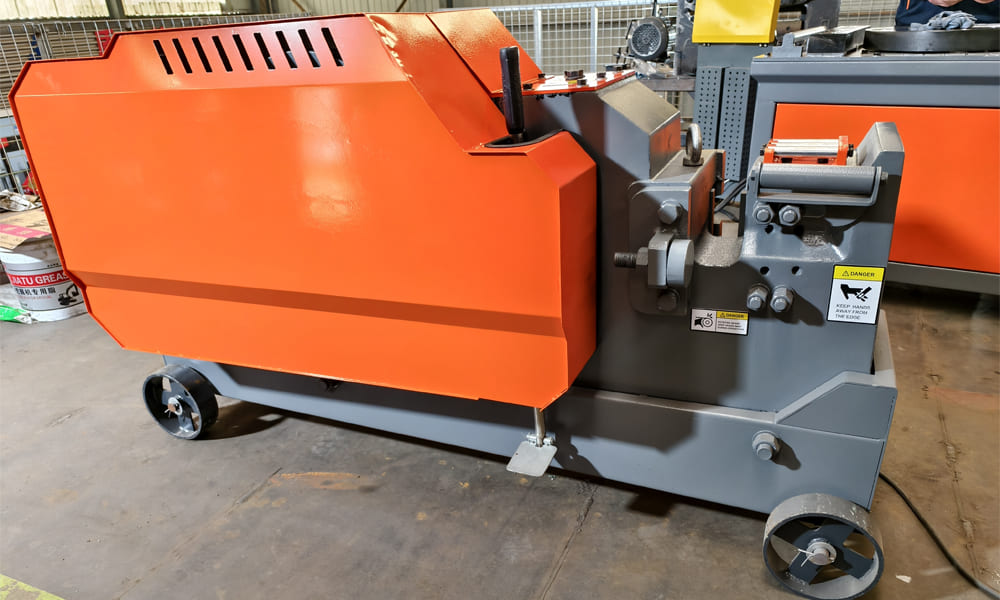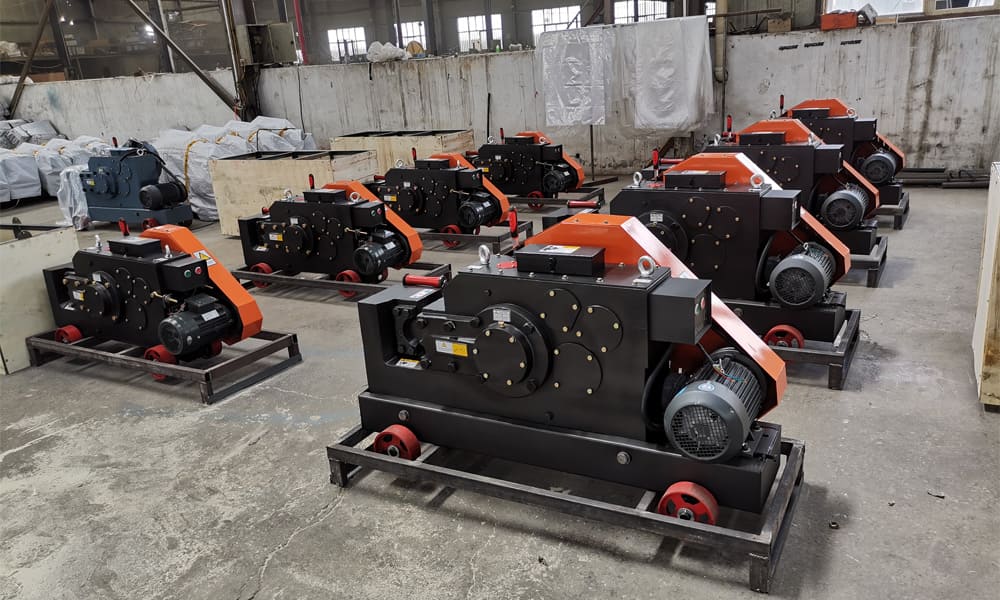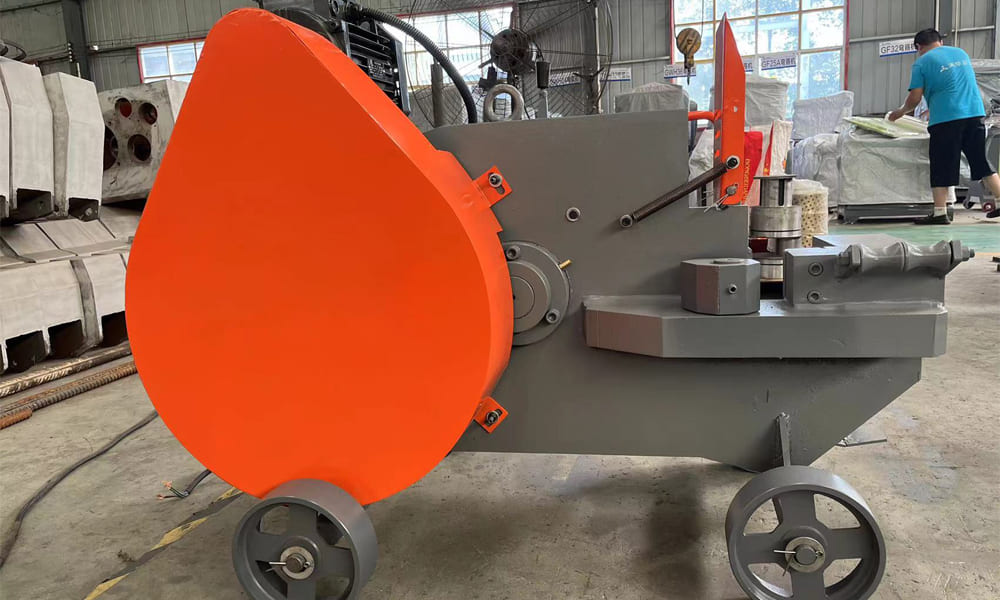
The service life of a C52 Steel Bar Cutter is not simply defined by years of operation. In the construction and steel-processing industry, cutting tonnage is the most reliable indicator of durability. This metric reflects the total amount of steel a machine can cut over its lifetime and provides a far more accurate benchmark than calendar years.
1. Lifespan Benchmark: Total Cutting Tonnage
Manufacturers generally classify rebar cutters according to their designed cumulative cutting capacity:
-
Entry-Level Machines: Around 10,000 tons of total cutting volume
-
Mid- to High-End Machines: Usually exceed 20,000 tons, with premium brands offering even higher durability
Example Calculation
If a machine cuts 10 tons of rebar per day, working 250 days per year, yearly output equals:
10 tons × 250 days = 2,500 tons/year
A machine designed for 20,000 tons could theoretically run for:
20,000 ÷ 2,500 = ~8 years
Actual service life, however, is heavily influenced by maintenance habits, operator skill, and work intensity.
2. Main Factors That Influence Rebar Cutter Lifespan
A. Manufacturing Quality
The durability of a cutter is determined by its internal structure and build quality:
-
Material Strength: Alloy gears, hardened shafts, and heat-treated blades drastically extend service life
-
Machine Body: Cast-steel frames outperform standard cast iron in rigidity and resilience
-
Brand & Engineering: Reputable brands invest in precision machining and better design geometry
Machine Type Impact
-
Hydraulic Cutters: Smooth action, lower impact force, longer lifespan, easier maintenance
-
Mechanical Cutters (cam/crank): Very efficient but produce higher impact force, demanding stricter upkeep
B. Usage & Maintenance Conditions
Maintenance is the single biggest factor affecting lifespan.
Key maintenance points
-
Lubrication: Regular grease/oil application for gears, bearings, and slide rails
-
Blade Condition: Replace or rotate blades before they become blunt to avoid overload
-
Machine Cleanliness: Removing metal chips and dust prevents premature wear
-
Fastener Tightening: Loose components accelerate internal damage
Operating workload
-
Cutting beyond rated diameter
-
Continuous full-load operation
-
Poor cutting technique (misalignment, improper feeding)
Environment
Dust, humidity, salt exposure, or corrosive surroundings drastically reduce lifespan without protective measures.
3. Signs That a C52 Steel Bar Cutter Is Reaching End-of-Life
Rebar cutters typically decline gradually rather than failing suddenly. Common indicators include:
-
Rough or inaccurate cuts with burrs or angled surfaces
-
Worn transmission components (gears, bearings, crankshafts) causing vibration or noise
-
Machine body distortion or visible cracking
-
High repair frequency, where maintenance costs exceed practical value
4. How to Extend the Life of a C52 Steel Bar Cutter
To maximize the return on investment:
-
Choose the right model with capacity greater than your typical rebar size
-
Implement regular maintenance schedules (lubrication, cleaning, inspection)
-
Train operators to follow proper cutting procedures
-
Use original-quality parts, especially blades and bearings
-
Improve the working environment by reducing moisture, dust, and instability
Conclusion
A properly selected, well-maintained rebar cutter working under standard load can operate 8 years or more. In contrast, a poorly maintained or frequently overloaded low-quality machine may fail within 2–3 years.