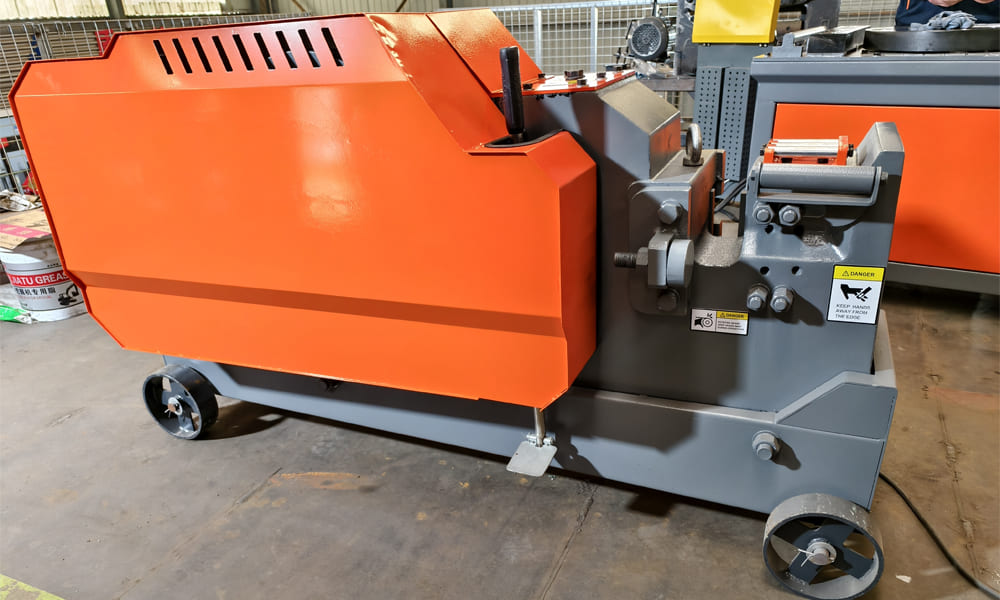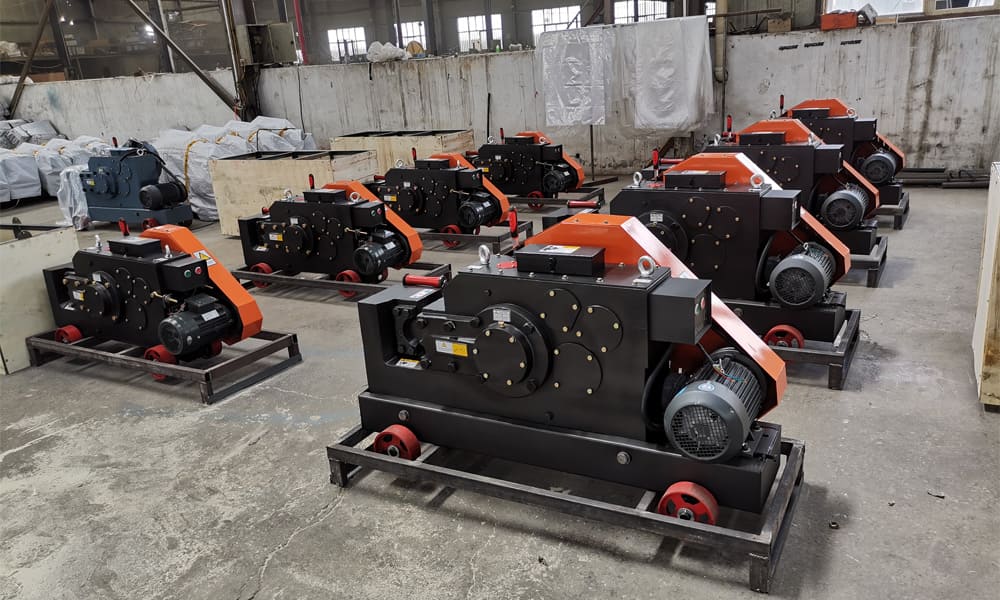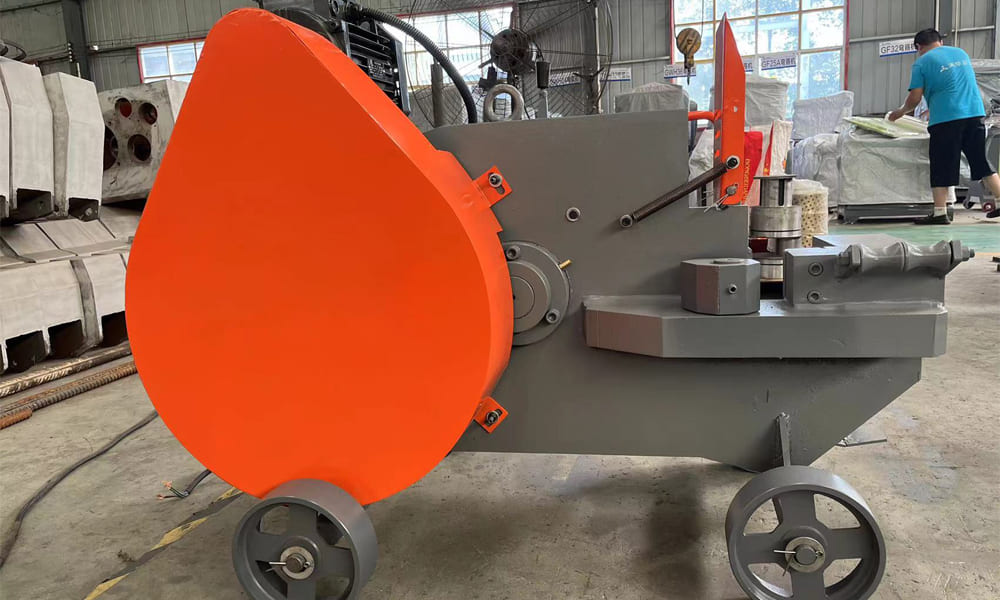
The noise level of a C52 Cutter is a common concern in construction sites, and resolving it requires looking at how the machine operates, how it is maintained, and how its structure interacts with the environment. The following framework approaches the issue from three angles: where the noise originates, what can be done immediately, and what ensures long-term improvement.
1. Where the C52 Cutter Noise Comes From
1) Cutting Impact
Every time the blade shears through the steel bar, a sharp impact occurs. This momentary force produces the most noticeable noise during operation.
2) Internal Component Wear
Gears, pins, bearings, and other moving elements gradually loosen as they wear. Increased gaps between parts allow the components to strike or rub against each other, creating additional sound.
3) Fastening Problems
Even slightly loosened screws—on the covers, motor seat, or frame—can result in rattling or knocking noises once the machine vibrates at high speed.
4) Motor Sources
Aging motors, insufficient horsepower, or misaligned internal components can generate electrical hums, high-frequency whines, or mechanical scraping.
Cooling fans attached to the motor may also produce sound if damaged.
5) Machine Vibration
When the cutter is set on flexible, uneven, or hollow surfaces, vibrations are amplified. This acts like an acoustic resonator, broadcasting the noise even further.
2. Quick Actions to Reduce Noise
Tighten and Recheck
Before operating, disconnect power and inspect each joint. The tool holder, gearbox cover, machine frame, and motor base should all be firmly secured.
Reinforce Lubrication
Apply grease or oil to all lubrication points. Adequate lubrication reduces friction and prevents the metallic scraping that often increases noise.
Stabilize the Machine
Place the cutter on a solid concrete surface.
Adding a layer of rubber padding under the feet helps absorb vibration and limits noise transmission.
3. Long-Term Noise Reduction Methods
Upgrade or Replace Key Components
If blades are worn or installed at an incorrect clearance, the machine may cut unevenly and create harsher impacts.
Similarly, damaged gears, bearings, or shafts should be replaced to restore smooth movement.
Consider a Motor Improvement
A low-noise or higher-quality motor can reduce sound significantly, especially for machines that run continuously or process large volumes of steel.
Select a Quieter Machine When Upgrading
Modern rebar cutter operate with better damping design and improved overall construction. Their noise levels often stay below regulatory limits, providing a direct and effective solution.
Provide Operator Protection
While engineering fixes are ideal, personal hearing protection—earmuffs or certified earplugs—remains necessary, especially in busy construction environments.
Conclusion
To manage rebar cutter noise effectively:
-
Immediate steps: tighten all parts, lubricate thoroughly, and stabilize the base.
-
Maintenance steps: repair or replace worn internal components.
-
Long-term steps: plan for motor upgrades or updated equipment models and enforce hearing protection.
Implementing these layers together helps C52 Cutter significantly reduce operational noise, improve safety, and prolong machine life.