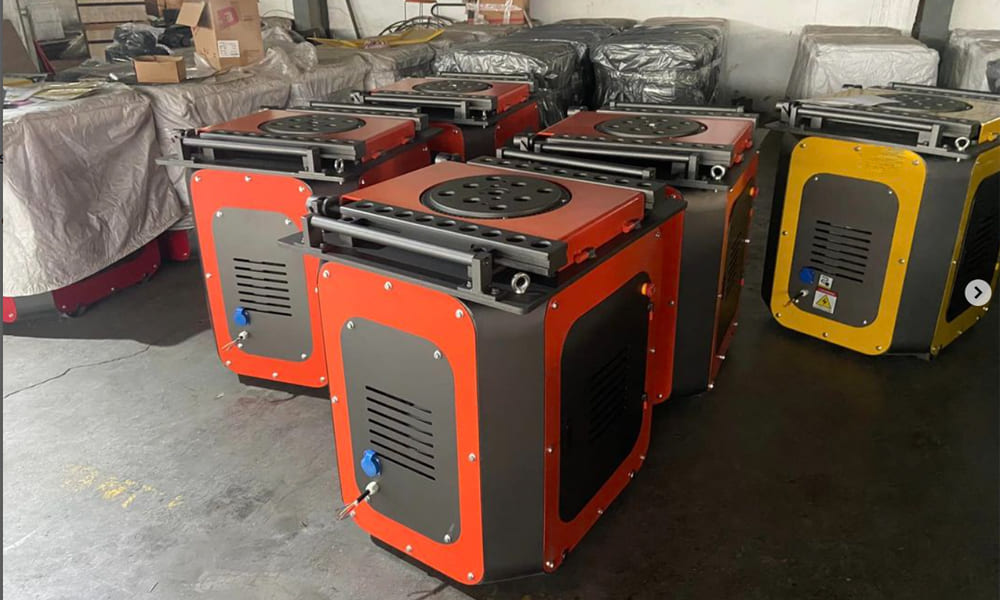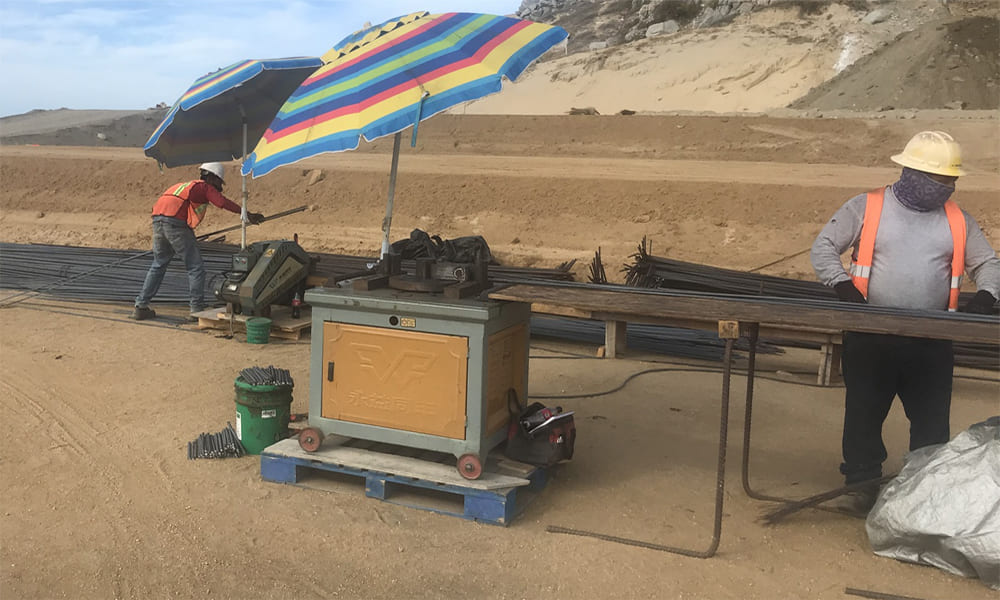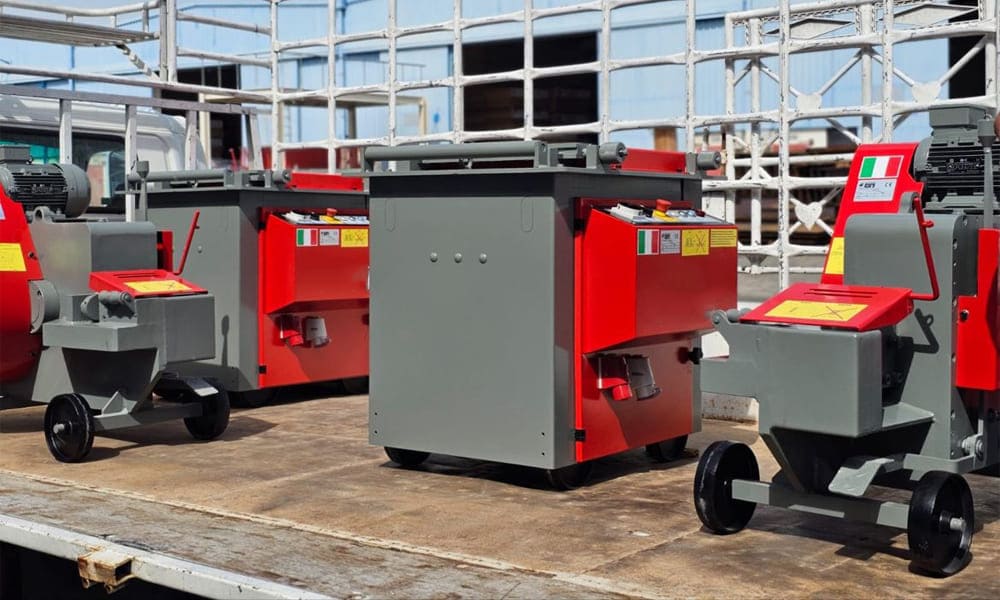
An Automatic Pressure Roller Rebar Spiral Machine is an innovative rebar processing solution widely used in construction, bridge building, tunnel engineering, and prefabrication industries. Designed to bend straight reinforcement bars into precise arcs, spirals, or complex geometries, this machine ensures high levels of automation, efficiency, and accuracy—making it an essential tool for modern infrastructure projects.
Rebar Spiral Machine Core Function
The main purpose of the automatic roller rebar sprial machine is to replace traditional manual or semi-automatic bending methods with a fully automated system. It delivers consistent quality and productivity, enabling engineers to produce rebar components for reinforced concrete structures with non-linear shapes.
Key Components
-
Robust Frame – Built to handle high torsional stress without deformation, ensuring long service life.
-
Power System
-
Hydraulic Drive: High power output, suitable for bending large-diameter rebar (Φ20mm and above).
-
Servo-Electric Drive: Energy-efficient with superior precision, ideal for small to medium rebar and complex curves.
-
-
Bending Head
-
Central Bending Wheel: The main drive wheel that determines bend radius.
-
Pressure Rollers: Adjustable rollers that guide rebar into smooth curves or variable radii.
-
-
CNC Control System – A user-friendly interface that allows operators to program bend radius, arc length, and angles for fully automated bending.
-
Automatic Feeding System – Motorized rollers feed rebar continuously for high-volume production.
-
Auxiliary Systems – Safety guards, interlock systems, and lubrication mechanisms for smooth operation.
How It Works
The bending process is similar to metal rolling:
-
Loading – Rebar is positioned between the bending wheel and rollers.
-
Programming – Operators enter parameters into the CNC system.
-
Bending – The central wheel rotates while pressure rollers adjust dynamically, shaping the rebar into arcs, spirals, or complex geometries.
-
Unloading – The rollers retract, and the finished product is released manually or via an automated conveyor.
Rebar Sprial Bending Machine Key Features & Advantages
-
High Precision – CNC-controlled bending ensures every piece meets engineering standards.
-
Efficiency – Perfect for mass production, cutting labor time significantly.
-
Flexibility – Capable of producing various shapes, diameters, and designs.
-
Labor Savings – Automation reduces physical workload.
-
Safety – Equipped with protective guards and interlock systems.
Primary Applications
-
Construction – Arches, circular beams, domes, and columns.
-
Bridges – Curved reinforcement for piers and girders.
-
Tunnels & Precast – Spiral reinforcement for tunnel segments and lattice girders.
-
Heavy Industry – Wind turbine bases, machinery foundations, shipbuilding, and transmission towers.
Buying Considerations
When selecting an automatic pressure roller bar bending machine, focus on:
-
Processing Range – Maximum rebar diameter and bending radius.
-
Drive Type – Hydraulic for heavy-duty work, servo-electric for precision.
-
CNC System – Reliable, intuitive control software.
-
Rigidity – Strong frame for durability under stress.
-
Manufacturer Support – Choose a reputable supplier with after-sales service and spare parts availability.